There’s a particular kind of dread that hits when you turn the key and hear nothing but a click – or worse, silence. Maybe it’s 6:45 a.m., and you’re already running late for a shift, or you just left work, and the parking lot near Old Dominion University has emptied around you. A dead battery doesn’t care about your schedule, and it never seems to happen at a convenient time.
That’s exactly the situation a reliable jump start service in Norfolk, VA is built to solve. Instead of digging through your trunk for cables you may not own, hoping a stranger stops to help, or risking a bad connection that fries your car’s electronics, a trained roadside technician can get you back on the road in minutes – safely and without the guesswork.
This guide walks through what a professional jump start actually involves, how to tell whether your battery or something else is the real culprit, what to expect when help arrives in Norfolk, and how to avoid getting stranded again.
What a Professional Jump Start Service Actually Involves
A jump start sounds simple – connect two cables, add power, done. In practice, there’s more to it, and skipping steps is how people end up with blown fuses, damaged onboard computers, or a battery that dies again an hour later.
A properly handled jump start typically includes:
- Voltage testing before connecting anything. A technician checks your battery’s actual charge level rather than assuming a full drain.
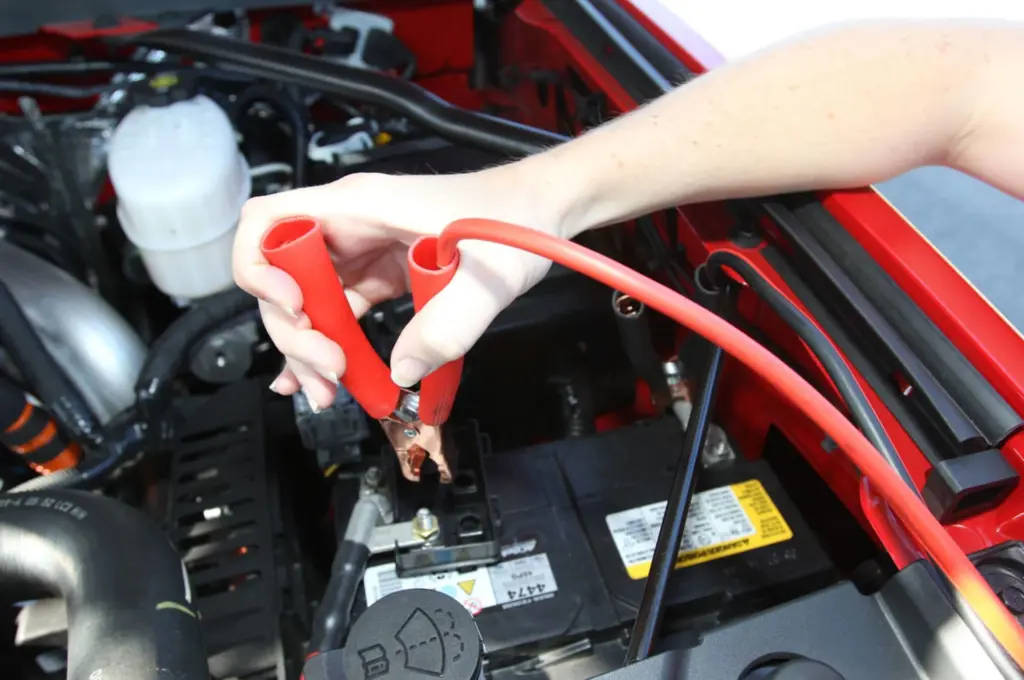
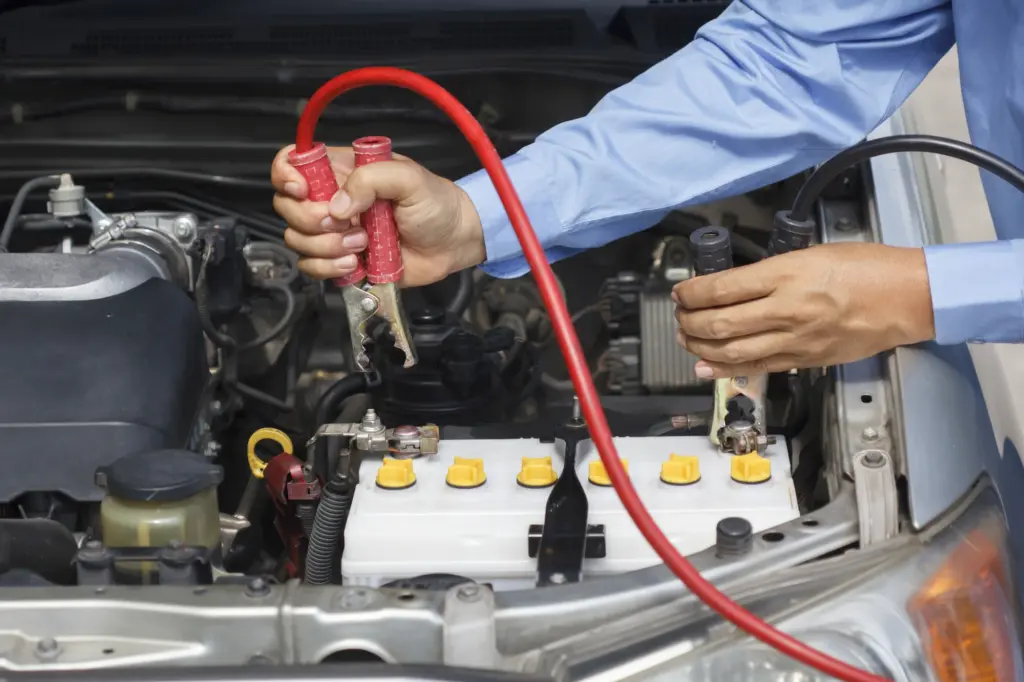
- Correct cable sequencing. Positive-to-positive, negative-to-a-grounded-metal-point (not directly to the dead battery’s negative terminal) – small details that prevent sparking near battery gases.
- Surge protection. Modern vehicles are loaded with sensitive electronics (infotainment systems, sensors, computer modules), and an uncontrolled power surge during boosting can damage them.
- A post-start charging check. Once the engine turns over, a good technician confirms the alternator is actually charging the battery back up – not just that the engine started.
- Honest feedback if the battery won’t hold. If the battery accepts a jump but the technician sees it’s failing a load test, that’s information you need before you drive off, not after you’re stranded again three miles down the road.
Signs You Need a Jump Start – Not a Tow
Not every “car won’t start” situation is a dead battery, and knowing the difference can save you time and money before you even call for help.
Likely a dead or weak battery if:
- The engine cranks slowly or makes a repeated clicking sound
- Interior lights, radio, or dashboard lights are dim or won’t turn on at all
- The car started fine yesterday but won’t today, with no other warning signs
- You accidentally left headlights, interior lights, or a phone charger running overnight
Likely something more than a battery if:
- You hear a single click and then total silence (could point to a starter issue)
- The engine cranks strong but simply won’t catch (more likely fuel or ignition-related)
- You smell burning, see smoke, or notice fluid leaking under the vehicle
- The battery is brand new or was just jump started recently and died again quickly
If you’re unsure, that’s completely normal – most drivers aren’t expected to diagnose their own vehicle. Describing the symptoms over the phone (clicking, silence, dim lights, recent battery replacement) helps a dispatcher send the right equipment the first time, whether that’s a boost or a tow.
Why Norfolk Drivers Deal With Battery Issues More Than They’d Expect
Battery failure isn’t random bad luck as often as it seems – local conditions play a real role, and Hampton Roads has a few working against it.
- Coastal humidity and salt air accelerate corrosion on battery terminals and connectors, which weakens the electrical connection over time even when the battery itself is technically fine.
- Heat cycling between hot, humid Norfolk summers and cooler winter nights stresses battery chemistry faster than it would in a milder, drier climate.
- Stop-and-go traffic around the bridge-tunnels and downtown corridors means shorter trips with less time for the alternator to fully recharge the battery between drives.
- Street parking and driveway parking near ODU, Ghent, and downtown mean batteries sit exposed to the elements more than in covered garages.
None of this means a Norfolk driver’s battery is doomed – it just means routine terminal checks and paying attention to early warning signs (slow cranking, dimming lights) go further here than in a lot of other regions.
What to Expect When You Call for Emergency Jump Start Service in Norfolk
Calling for roadside help shouldn’t feel like a mystery. Here’s a realistic picture of how the process generally goes with a professional Norfolk roadside provider:
- You describe the situation. Location, what the car is doing (or not doing), and any warning signs you’ve noticed.
- You get an honest arrival estimate. A dependable service tells you a realistic window up front instead of a vague “soon.”
- A technician arrives with the right equipment. Heavy-duty jump boxes or a service vehicle with a boosting setup – not a cheap set of cables from a trunk.
- Your battery gets tested, not just boosted. This is the step that separates a quick fix from a real diagnosis.
- You’re told what’s next. If the battery holds, you’re back on the road. If it doesn’t, you’ll know before you drive off – with options like a replacement or, if needed, a tow to a shop.
This kind of straightforward process matters most at 2 a.m. in an empty parking lot, when the last thing you want is more uncertainty.
Jump Start vs. Battery Replacement: How to Know Which You Need
A jump start gets your engine running again, but it doesn’t fix a battery that’s already failing – it just borrows enough charge to start the car one more time. Here’s a simple way to think about it:
A battery typically lasts three to five years, shorter in hot, humid coastal climates like Norfolk’s. If a technician mentions your battery failed a load test, it’s worth taking seriously rather than hoping it holds one more time.
Simple Ways to Avoid Getting Stranded Again
A few habits go a long way toward preventing repeat breakdowns:
- Have your battery’s terminals checked and cleaned every 6-12 months, especially given Norfolk’s coastal air
- Turn off headlights, interior lights, and accessories fully before leaving the car
- Avoid a string of very short trips if your battery is already older – it doesn’t get time to recharge
- Keep an eye on slow cranking or dim lights; they’re early warnings, not one-time glitches
- If your battery is nearing 4-5 years old, ask about a load test before it fails on a random morning
None of these guarantee you’ll never need a jump start again – batteries fail – but they meaningfully lower the odds of it happening at the worst possible moment.
When It’s More Than a Battery: Other Roadside Situations
Sometimes what looks like a dead battery turns out to be something else entirely, and it helps to know your options exist under one roof rather than needing three different phone numbers.
- Towing: For deeper alternator failure, mechanical damage, or a car that won’t run even after a successful boost, secure towing to a shop or home is the safer route.
- Flatbed towing: Needed when a vehicle can’t safely roll on its own wheels – electrical shutdowns, transmission issues, or collision damage.
- Car unlock service: A separate but common companion emergency – locked keys inside the car, especially stressful when it happens alongside a dead battery.
A provider that handles all of these means one call covers whatever the actual problem turns out to be, instead of getting bounced between services mid-emergency.
Conclusion
A dead battery is one of the most common – and most avoidable-feeling – reasons drivers get stranded in Norfolk. The good news is that a proper jump start, done safely and paired with an honest look at your battery’s actual condition, usually gets you back on the road in minutes rather than hours. The key is working with a team that tests before it boosts, tells you the truth about what your battery needs next, and can handle towing or a lockout too if the situation turns out to be bigger than a simple boost.
If your car won’t start today, don’t waste time guessing – a quick call (757) 207-8010 gets a technician headed your way with the right equipment and a clear plan.
FAQ’s
How much does a jump start service cost in Norfolk, VA?
Pricing depends on your location, time of day, and vehicle type, but most standard jump starts are priced as a flat-rate service call. Ask for a quote when you call – a trustworthy provider gives you a clear number before dispatching, not after arrival.
How fast can someone reach me for an emergency jump start in Norfolk?
Response times vary by traffic and location, but a 24/7 roadside team typically aims to reach you within a reasonable window from your call, day or night. You should get a realistic estimate immediately when you contact dispatch.
Can jump starting my car damage it?
Done incorrectly, yes – reversed cables or an unprotected surge can harm sensitive electronics. A trained technician uses proper sequencing and surge protection, which makes a professional jump start significantly safer than a DIY attempt with unfamiliar cables.
Why does my car battery keep dying even after a jump start?
This usually means the battery itself is failing a load test, there’s a parasitic drain from an electrical component, or the alternator isn’t recharging it properly while you drive. A technician can test which of these is happening.
Is a jump start the same as a battery replacement?
No. A jump start temporarily restarts your engine using an external power source; it doesn’t fix a battery that’s already deteriorating. If your battery won’t hold a charge after boosting, replacement is usually the next step.
What should I do if my car won’t start and I’m not sure why?
Call a roadside provider and describe exactly what’s happening – clicking, silence, dim lights, or a strong crank that won’t catch. That description helps them send the right equipment and, if needed, a tow instead of just a boost.