If you’ve ever sat on the shoulder of I-64 watching brake lights back up toward the Hampton Roads Bridge-Tunnel, you already know that a breakdown in Norfolk isn’t like a breakdown just anywhere. Between the tunnels, the Navy base traffic, and a coastline that floods faster than most drivers expect, finding towing services in Norfolk, VA that actually understand the geography matters almost as much as finding one that answers the phone quickly.
This guide walks through what local towing actually involves here, the types of service you might need, what a fair price looks like, what Virginia law says about your rights, and how to tell a reliable operator from one that’s just going to make a bad day worse.
Whether you’re dealing with a dead battery outside an apartment in Ocean View or a fender-bender near the Downtown Tunnel, the goal here is the same: give you enough real information to make a good decision under pressure, not just a sales pitch.
Why Towing in Norfolk Isn’t Like Towing Anywhere Else
Norfolk sits on more than 200 miles of riverfront and bayfront, wedged between the Elizabeth River, the Lafayette River, and the Chesapeake Bay. That geography is beautiful, and it’s also the reason towing here has its own set of complications that a driver in, say, Roanoke never has to think about.
Two tunnels, the Hampton Roads Bridge-Tunnel and the Downtown Tunnel funnel enormous volumes of traffic through narrow, low-clearance corridors, and a stall inside either one turns into a serious bottleneck within minutes. Naval Station Norfolk adds its own rhythm to local traffic, with shift changes near the base gates creating predictable surges that any dispatcher who actually works this area learns to plan around. And then there’s the water.
Low-lying neighborhoods like Ghent, Colonial Place, and East Ocean View flood during nor’easters, king tides, and even ordinary heavy thunderstorms, sometimes with only a few inches of rain. The city’s own guidance is blunt about it: it takes just 12 inches of moving water to carry away a car, and driving into a flooded street is never worth the risk. A tow truck operator who’s worked this area knows which streets to avoid after a storm before the city’s flood alerts even go out.
None of this is trivia. It’s the difference between a dispatcher who can tell you “avoid Colley Avenue near the river right now” and one who’s just reading a map for the first time.
Types of Towing Services You Might Need in Norfolk
Not every roadside problem calls for the same truck or the same approach. Understanding the difference helps you ask for the right thing when you call, which usually gets you a faster and cheaper resolution.
Standard wheel-lift towing
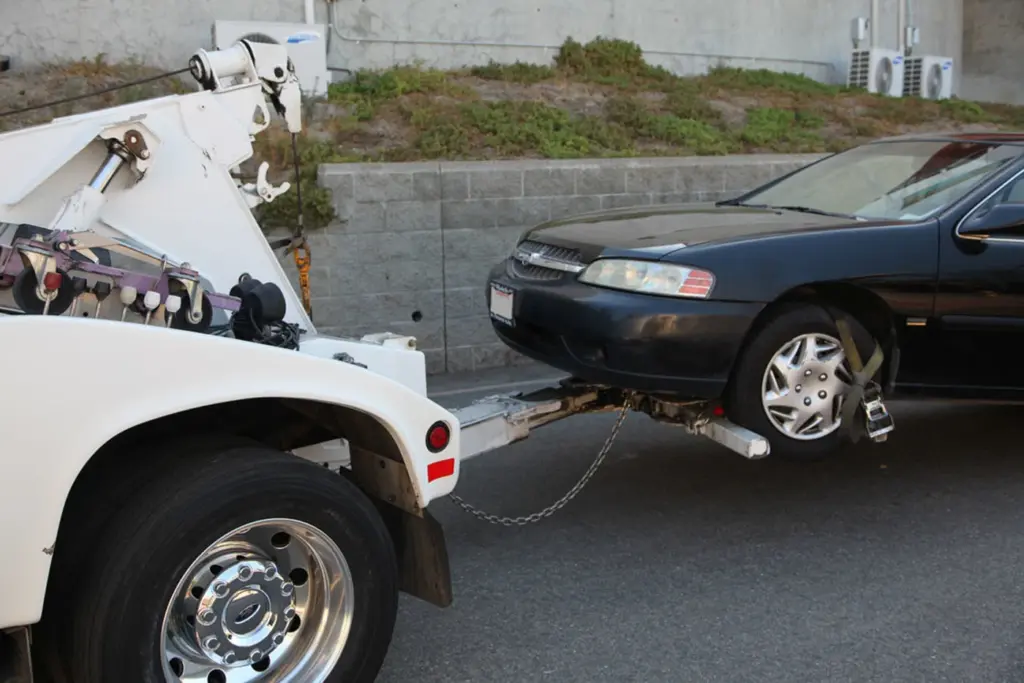
This is the most common type of tow for an everyday breakdown: a dead engine, a flat that can’t be safely changed roadside, or a car that simply won’t start. The truck lifts the front or rear wheels off the ground and tows the rest of the way on the remaining wheels. It’s quick to set up, and it’s the right call for most standard front- or rear-wheel-drive sedans.
Flatbed towing
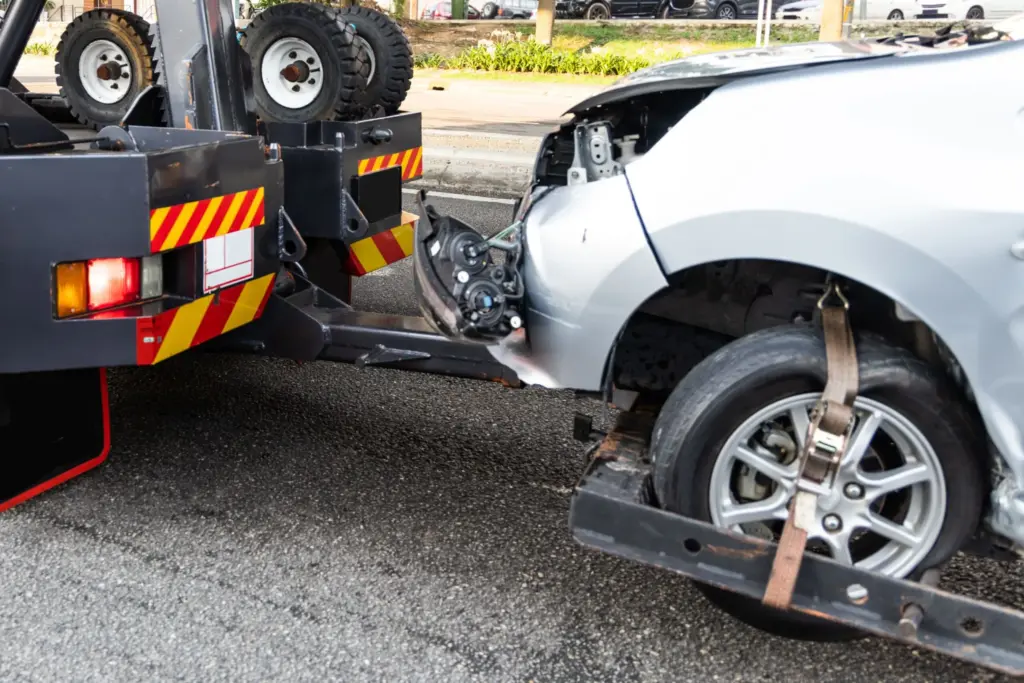
Anything with all-wheel or four-wheel drive should never be wheel-lift towed; doing so can spin the unpowered axle and damage the drivetrain, which turns a $150 tow into a much more expensive repair bill. The same goes for vehicles with transmission damage, lowered suspensions, or accident damage where the frame might be out of alignment. A flatbed carries the entire vehicle instead of dragging any part of it, which is safer for the car even though it usually takes a few extra minutes to position the truck correctly.
Roadside assistance (jump starts and lockouts)
Plenty of calls never need a tow at all. A dead battery in a downtown parking garage often just needs a jump, and if it won’t hold a charge afterward, a straight answer about that beats being sent off to die again three blocks later. Lockouts are their own category. Getting into a locked vehicle without damaging the window, lock cylinder, or door panel is a specific skill, not something every roadside company actually does well.
Accident recovery towing
After a collision, towing gets more complicated. There may be debris to account for, a vehicle that can’t be moved under its own power at all, or damage that makes a standard hookup unsafe. This is where flatbed capability and an operator who knows how to secure a compromised vehicle properly really matter.
What a 24-Hour Towing Service in Norfolk Should Actually Deliver
“24-hour towing” gets printed on nearly every tow truck door in Hampton Roads, so it’s worth being specific about what that phrase should actually mean in practice. It should mean the phone gets answered at 3 a.m. on a Tuesday the same as it does at 3 p.m. on a Friday not a voicemail that says someone will call back in the morning. It should mean a realistic time estimate, not an optimistic one designed to get you off the phone, followed by a call when the driver is close instead of leaving you to keep guessing.
After-hours calls are also where pricing tends to get murky if a company isn’t upfront about it. Late-night, weekend, and holiday surcharges are legal and common industry-wide, but you should hear about them before the truck leaves the lot, not after it arrives. A company that’s genuinely built for round-the-clock work treats a 2 a.m. call (757) 207-8010 near the Naval Station gate with the same seriousness as a routine daytime pickup in Ghent because for the person standing on the shoulder, it’s not routine at all.
Emergency Towing in Norfolk: What to Do the Moment You’re Stuck
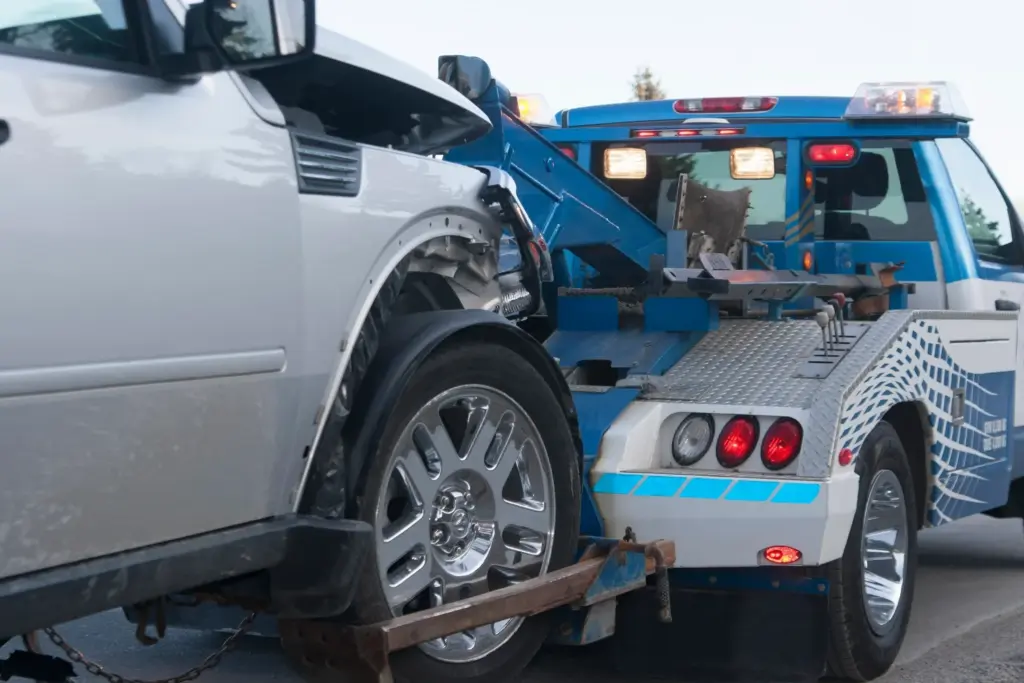
The first few minutes after a breakdown or accident matter more than most drivers realize, especially on a high-speed corridor like I-64, I-264, or the HRBT approach.
- Get out of the traffic lane if you possibly can. Even a partially blocked shoulder near the tunnel approaches creates real risk. If the car can still move, get it as far onto the shoulder or breakdown lane as possible before doing anything else.
- Turn on hazard lights immediately, and if you have flares or a reflective triangle, use them, particularly at night or in poor visibility.
- Stay inside the vehicle with your seatbelt on if you’re stopped on a highway shoulder, rather than standing outside near moving traffic this is standard safety guidance from most state DOTs, including Virginia’s.
- Call for help and be specific about location. “On I-64 near the HRBT” is useful. “Near mile marker X, eastbound, just past the last exit” is far more useful, and it’s the difference between a 15-minute wait and a much longer one while a driver searches for you.
- If it’s a flood situation, do not attempt to drive through standing water, even if other cars are doing it. Norfolk’s own emergency guidance is direct on this point; it doesn’t take much moving water to float or carry away a vehicle, and stalling out in rising water turns a towing situation into a genuinely dangerous one.
- If there’s an accident involved, call 911 first, then arrange towing once law enforcement has cleared the scene or advised you it’s safe to do so.
How Much Does Towing Cost in Norfolk, VA?
This is the question most towing pages avoid answering, which is exactly why it’s worth answering honestly here. Pricing varies by company, distance, vehicle type, and time of day, but nationally, a standard local tow typically runs somewhere between a $75–$150 hookup fee plus roughly $2.50–$7 per mile after that, with flatbed service usually landing a bit higher than a standard wheel-lift tow because of the extra equipment and setup time involved. A short, in-town tow of five to ten miles commonly totals somewhere in the $100–$250 range, though after-hours, holiday, or specialty-vehicle situations can push that higher.
A few things move the number:
- Vehicle type. Heavier vehicles and anything requiring a flatbed typically cost more than a standard sedan on a wheel-lift.
- Distance. Most companies build a handful of miles into the base hookup fee, then charge per mile after that.
- Time of day. Late-night, weekend, and holiday calls often carry a surcharge, which is standard across the industry when disclosed upfront.
- Complexity. A straightforward dead-battery tow is a different job than pulling a vehicle out of a ditch or ivy-covered swale after a storm.
The honest advice here is the same advice any consumer-protection resource will give you: ask for a number before the truck leaves the lot, not after it arrives. A company confident in its pricing will give you a real estimate over the phone based on your vehicle and location, rather than a vague “we’ll figure it out when we get there.”
Know Your Rights: Virginia Towing Law in Plain English
This is the section most competitors skip entirely, and it’s the one drivers actually search for after a tow goes wrong, usually while standing in a gravel lot somewhere trying to figure out if they’re being overcharged.
Virginia regulates non-consensual towing (the kind where your car gets towed from a parking lot without you calling anyone) fairly closely, mainly through the Virginia Consumer Protection Act and Title 46.2 of the Code of Virginia. A few of the protections worth knowing:
- Signage is required. A property owner has to post clearly visible tow-away signs at every entrance before a lot can legally tow trespassing vehicles. If there’s no sign, the tow may not have been legal.
- Hookup fees are capped. Virginia law caps the standard hookup fee for a non-consensual passenger-car tow, with a modest additional allowance permitted on weekends and holidays.
- You get a free storage window. Vehicle owners generally can’t be charged storage fees for the first 24 hours a car sits at a lot, and no storage charges can accrue for any period when the towing company’s office was simply closed and you couldn’t retrieve the car.
- You can get your belongings back. You have the right to retrieve personal items from a towed vehicle without paying the full towing and storage bill first, during normal business hours.
- Police notification is required. A towing company generally has to notify local law enforcement shortly after removing a vehicle from private property, which is exactly why calling local police is often the fastest way to locate a car that’s disappeared from where you parked it.
- Drop fees are capped too. If you make it back to your car after it’s hooked up but before it’s actually driven away, Virginia law limits what a company can charge to let it go.
If you believe you were overcharged or towed improperly, you’re entitled to file a complaint with the Virginia Attorney General’s Office or the State Corporation Commission, which regulates towing rates. None of this is legal advice, laws get amended, and local ordinances can add further requirements but knowing these baseline protections exist is often enough to spot a predatory tow before you pay for it.
How to Choose a Local Towing Service in Norfolk You Can Trust
A quick search for “local towing service in Norfolk” turns up dozens of names that all look roughly the same until 2 a.m., when only some of them actually pick up. A few things worth checking before you’re in an emergency, not during one:
- Do they quote a real price range over the phone, or just “we’ll see when we get there”?
- Do they answer honestly if your battery, tire, or lockout doesn’t actually need a tow, or do they push a tow regardless?
- Do they have real reviews from Norfolk-area customers, not just a generic five-star rating with no detail?
- Do they disclose after-hours or weekend surcharges upfront, rather than adding them to the final bill as a surprise?
- Do they carry both wheel-lift and flatbed capability, so the truck that shows up actually matches your vehicle?
- Can they cover more than towing jump starts, lockouts, flatbed so you’re not calling three different companies for three different problems?
Saving a towing company’s number in your phone before you need one is a small habit that pays off the one time you’re standing on a shoulder with a dying phone battery and a truck coming the other direction.
Norfolk Neighborhoods and Roads Where Breakdowns Happen Most
A few patterns show up again and again for anyone who’s actually worked roadside calls across Norfolk:
- The HRBT approach on I-64 backs up hard during Navy shift changes and any afternoon with even minor congestion, which turns a simple breakdown into a major bottleneck fast.
- The Downtown and Midtown Tunnels are unforgiving places to stall low clearance, no shoulder to speak of, and traffic that doesn’t slow down for a hazard light.
- Ghent, Colonial Place, and East Ocean View are among the first areas to flood during nor’easters, king tides, or even a heavy summer thunderstorm, and a car caught in rising water on these streets needs a very different response than a standard breakdown.
- Colley Avenue and Hampton Boulevard see steady traffic tied to Old Dominion University and the surrounding neighborhoods, with tight on-street parking that makes hookups trickier than a wide-open lot.
- Larchmont, Lamberts Point, and residential side streets near the base see plenty of late-night lockouts and dead-battery calls, especially around shift-change hours.
A dispatcher or driver who already knows these patterns doesn’t need you to describe the neighborhood in detail; you can just say “Ghent, near the river” or “HRBT eastbound” and they already know roughly what they’re walking into.
Conclusion
A breakdown in Norfolk rarely happens at a convenient time or in a convenient place not on the HRBT during a shift change, not in a flooded stretch of Ghent after a storm, not on a quiet Larchmont street at two in the morning.
Knowing what type of tow you actually need, what a fair price looks like, and what Virginia law says about your rights won’t prevent the breakdown, but it puts you in a much stronger position to handle it without getting taken advantage of. When you do need to make the call, look for a company that’s straightforward about pricing, matches the right truck to your vehicle, and treats a 3 a.m. call with the same urgency as one at 3 p.m.
FAQ
How much does it cost to tow a car in Norfolk, VA? Most local tows run roughly $100–$250 depending on distance, vehicle type, and time of day, built from a base hookup fee plus a per-mile rate. Flatbed towing and after-hours calls typically cost more. Always ask for an estimate before the truck is dispatched.
Is 24-hour towing actually available in Norfolk?
Yes, reputable local companies operate around the clock, including holidays. The real test isn’t whether “24-hour” is printed on the truck, but whether calls at 3 a.m. get the same response time and honesty as calls in the middle of the day.
What’s the difference between flatbed and wheel-lift towing?
Wheel-lift towing raises one end of the car and tows it on the remaining wheels fine for most standard sedans. Flatbed towing carries the entire vehicle, which is required for AWD/4WD vehicles, EVs, and any car with possible drivetrain or frame damage.
Can a towing company legally tow my car from a private lot in Norfolk?
Only if the lot has posted proper tow-away signage and the property owner or agent authorized it. Virginia law also caps hookup fees, requires police notification, and gives you a 24-hour grace period before storage fees start.
What should I do if I think I was overcharged for a tow?
Request an itemized bill, take photos of any vehicle damage before paying, and compare the charges to what was posted at the lot. If it still looks wrong, you can file a complaint with the Virginia Attorney General’s Office or the State Corporation Commission.
How fast can a tow truck reach me in Norfolk?
Response times vary with traffic, tunnel congestion, and time of day, but a locally based company working the HRBT, I-64, and I-264 corridors regularly should be able to give you a realistic window rather than a vague “sometime soon.”